


The Mexican Charro is the Foundation of the Cowboy
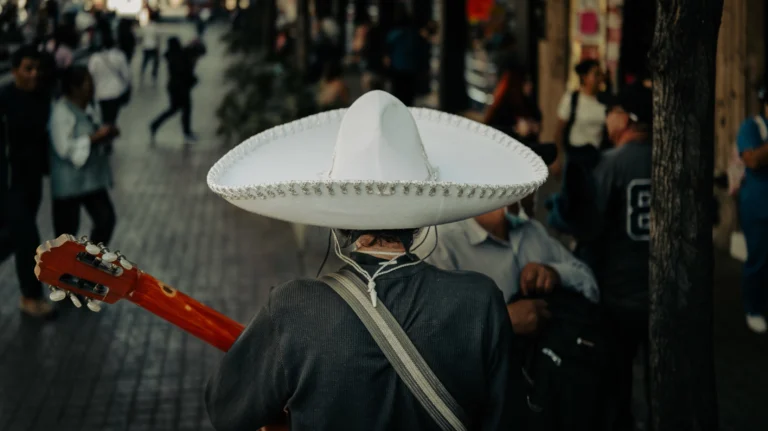
The Sombrero Charro, worn by a Mexican horseman. X/@OmarZRobles.
May 5, 2026 Hour: 9:42 am
🔗 Comparte este artículo
The American figure became popular in the 19th century with the traveling Buffalo Wild West Shows.
Long before the American cowboy, there was the Mexican charro: its techniques, clothing, and culture crossed the border, influencing one of the most recognizable icons of American national identity.
RELATED:
Mexico Demands Suspension of Auction of Mesoamerican Artifacts in Monaco
Charreria, Mexico’s national sport, originated on colonial haciendas in Hidalgo and Jalisco in the 16th century. Migration and territorial annexation brought this equestrian tradition to the United States, especially Texas.
The cowboy figure became popular in the 19th century with the traveling Buffalo Wild West Shows, which inspired the Western film genre. Charros actively participated in these events.
Vicente Oropeza (1858-1923), a charro from Puebla, introduced trick roping to the United States. He was the only Latino honored in the Rodeo Hall of Fame.
Gary Moreno, a professor at Austin Community College, stated that “the Mexican charro is the foundation of the cowboy.” The influence encompasses rodeo practices, such as roping and tack, as well as clothing, such as pants and sombreros.
The text reads, “At a press conference, Mayor Rosi Wong invited everyone to the Grand Charreada at the Lienzo Charro, as part of the Tecamac Regional Fair 2026, to preserve the charro tradition and pride.”
Oropeza and other Mexican migrants traveled on trains of the nascent railroad industry, bringing equestrian traditions to the U.S. He explained that this exchange of knowledge is “uncomfortable” for some in American society.
The Charro Association, founded in 1947 and presided over by Edmundo Rios, brings together 41 families. For him, passing on the tradition to children is vital to preserving identity and humility.
Young people like Alejandro Garcia, a migrant from Hidalgo, and Cervantes remember Mexico through charreria. For them, being a charro means “pride, happiness, and cultural resistance” against being forgotten in the United States.
teleSUR: JP
Source: EFE